
13.8K
Downloads
259
Episodes
An exploration of church and society produced by the United Lutheran Seminary with campuses in Gettysburg and Philadelphia, PA.
Episodes
Jun 27, 2016
Jun 27, 2016
19 min
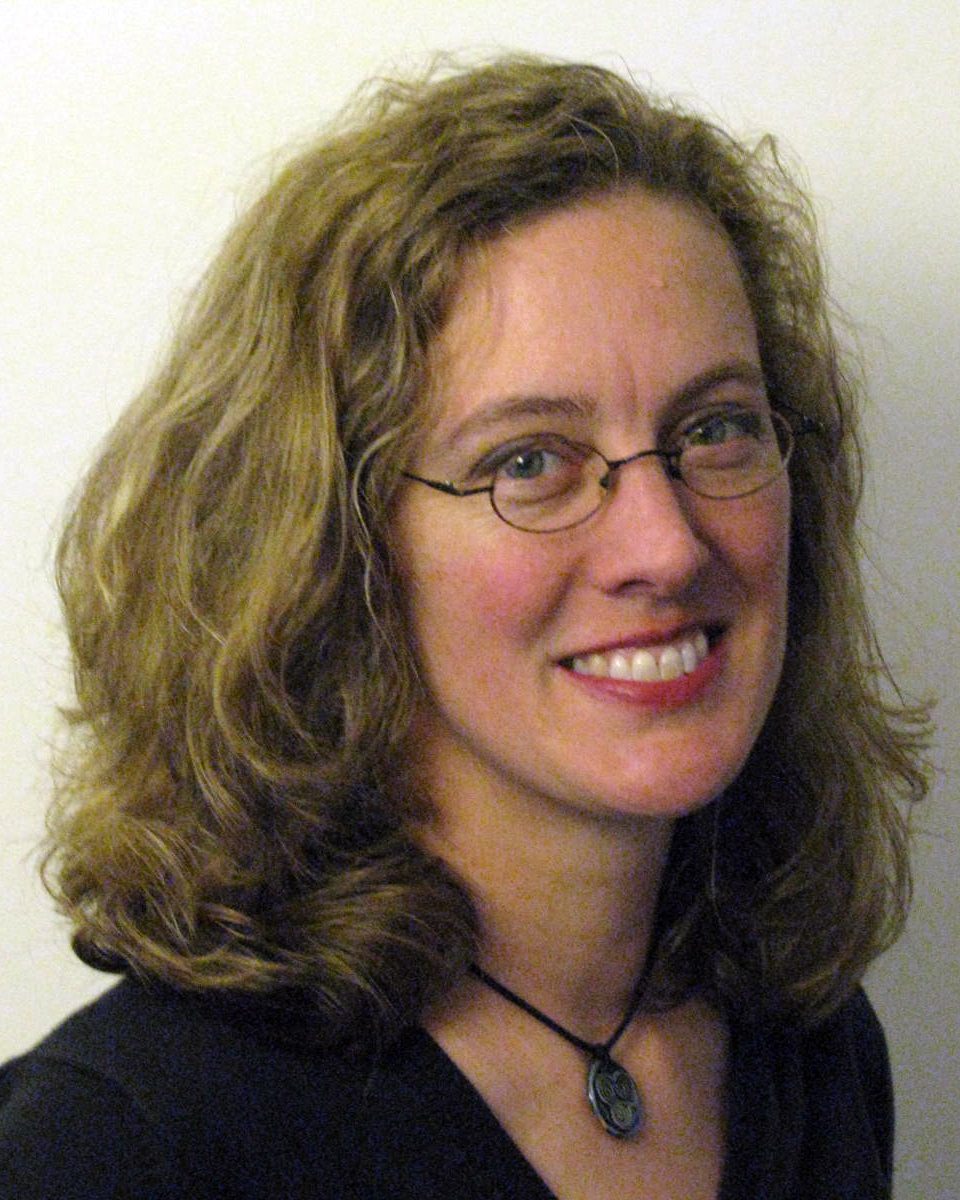
Sculptor Marlene Alt and Katy Giebenhain from Seminary Ridge Review talk about Alt’s sited sculpture outside the National Park Service Museum and Visitor Center in Gettysburg. “Traces: A Gathering Up” features wax imprints of horse hooves. How do we pay tribute? What is the difference between land and home? How can we imagine the scope of the Battle of Gettysburg? Aside from human casualties there were over 1,000 horses and mules killed here. Alt describes her installation project and her approach to other historical themes in her artwork. She is the May-June 2016 Artist-in-Residence at the Gettysburg National Military Park.
Feb 1, 2016
Feb 1, 2016
25 min
Sep 21, 2015
Sep 21, 2015
20 min
Dr. Leonard Hummel, Co-editor of Gettysburg: The Quest for Meaning, discusses the new book, published by Seminary Ridge Press and its purpose: to examine religion and the Civil War, including the Bible and slavery, ghost tours and pilgrims, the “lost cause” of the Confederacy, forgetting and remembering why it started, and how all this informs our search for a just and equitable America.
Sep 14, 2015
Sep 14, 2015
29 min
Michigan-based poets Michelle Bonczek Evory and Rob Evory were selected as the first Artists-in-Residence at the Gettysburg National Military Park. They discuss their lively, intense first weeks with Katy Giebenhain, Poetry + Theology editor of Seminary Ridge Review, and share some original new work. They are in residence for the month of July, 2015.
Aug 31, 2015
Aug 31, 2015
23 min
In this second part of a two-part series, Thomas Rutherford, Licensed Town Guide in Gettysburg Pennsylvania, brings stories of courage and compassion about children amidst the horrors of the Battle of Gettysburg, one as young as 8 or 9 years old: Tillie Pierce, Sadie Bushman, and Charlie McCurdy.
Aug 19, 2015
Aug 19, 2015
20 min
Dr. Leonard Hummel, Co-editor of Gettysburg: The Quest for Meaning, discusses the new book, published by Seminary Ridge Press and its purpose: to examine religion and the Civil War, including the Bible and slavery, ghost tours and pilgrims, the “lost cause” of the Confederacy, forgetting and remembering why it started, and how all this informs our search for a just and equitable America.
Jul 20, 2015
Jul 20, 2015
23 min
Dr. Christianson asks Dr. Daryl Black, new President and Executive Director of the Gettysburg Seminary Ridge Museum, the question, “Why do we have museums and should they do more than just collect “keepsakes”? Dr. Black describes the change in museums over the past two decades from emphasizing a collection of items, e.g. rifles, to interpretation of these items in the wider context of the need for human beings to make meaning of the past. He illustrates this with the conflicting ways North and South used the Bible and even viewed God in the Civil War.
Jul 6, 2015
Jul 6, 2015
21 min
Dr, Christianson and Sue Hill discuss the life and writing of Elsie Singmaster. Elsie Singmaster was one of the best-known authors of her day, appearing in anthologies along with Ernest Hemingway. Her stories of Gettysburg citizens who were caught in the battle and still managed to serve the wounded and dying are worth discovering again.
May 11, 2015
May 11, 2015
42 min
In this episode, a theologian, Dr. Largen, and a historian, Rev. Dr. Maria Erling, talk about the construction of Lutheran identity, and how it relates both to theological doctrines and also social, historical context. The issue of slavery is discussed as one example of such identity construction.
Jan 5, 2015
Jan 5, 2015
21 min
Dr. Christianson speaks with Dr. Bradley Hoch, Pediatrician and author of The Lincoln Trail in Pennsylvania about President Lincoln’s religious evolution. Lincoln developed throughout his life, beginning as (what his neighbors called) an “infidel” and moving on to a doctrine of “necessity” before coming to terms with Providence. In 1862, probably because of the horrifying numbers of casualties and the death of his son Willie, the president began to affirm a personal deity. In the Second Inaugural he envisions a God who has purposes for humankind, although they may not be ours.